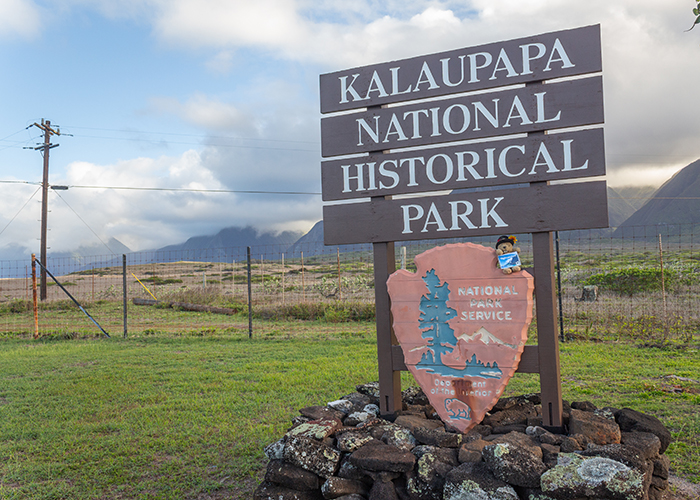
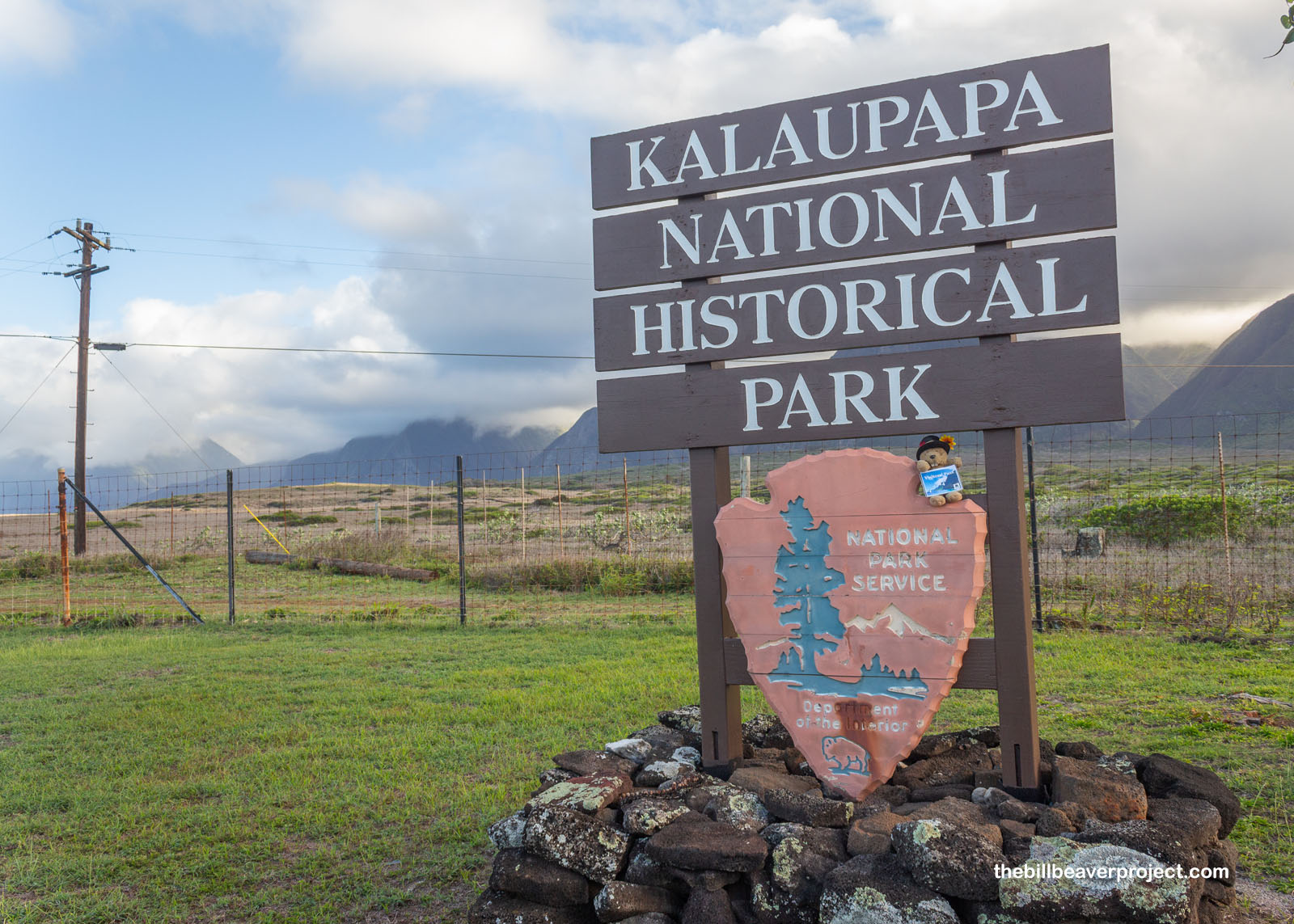
What Is KalaupapaNational Historical Park?
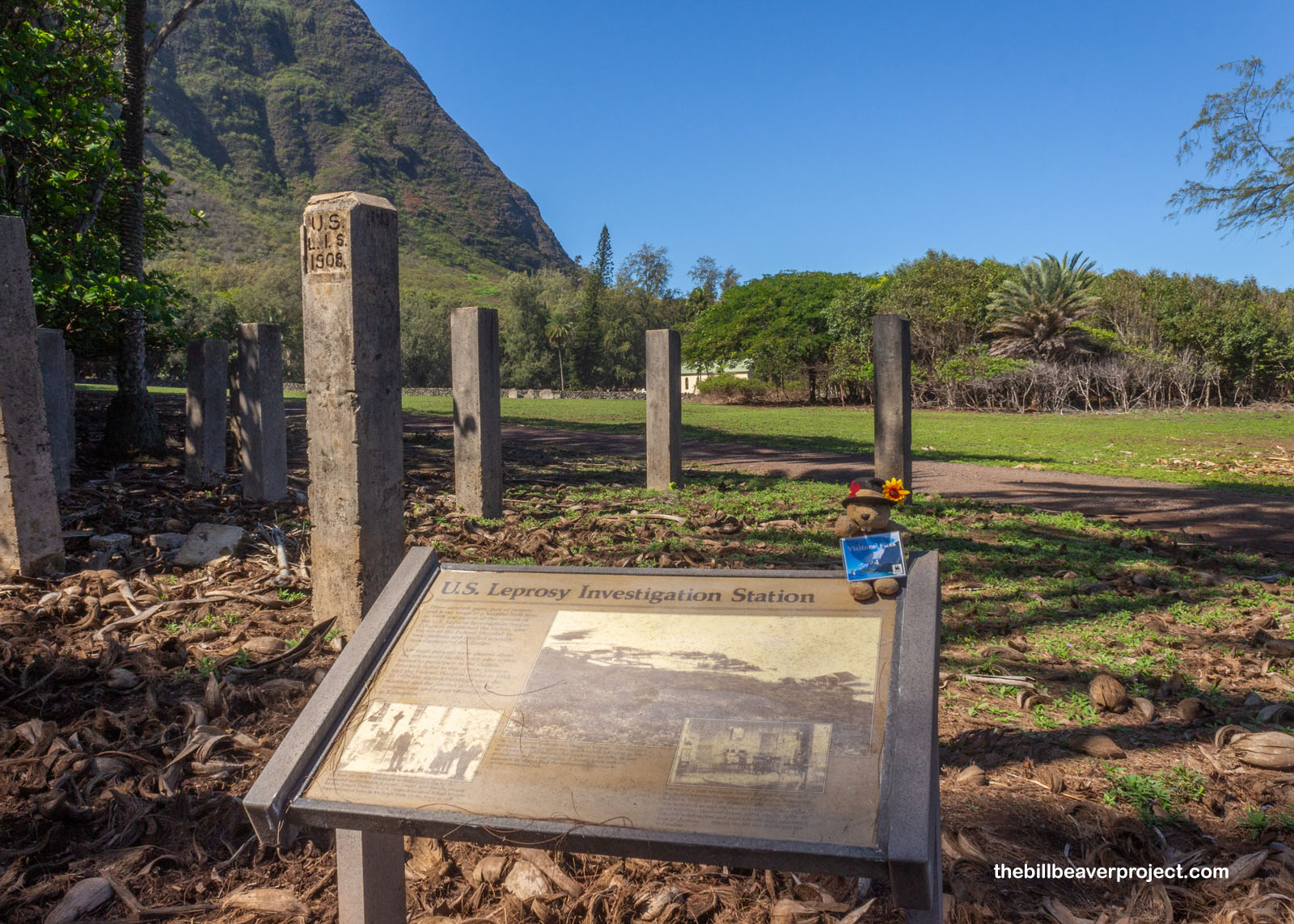
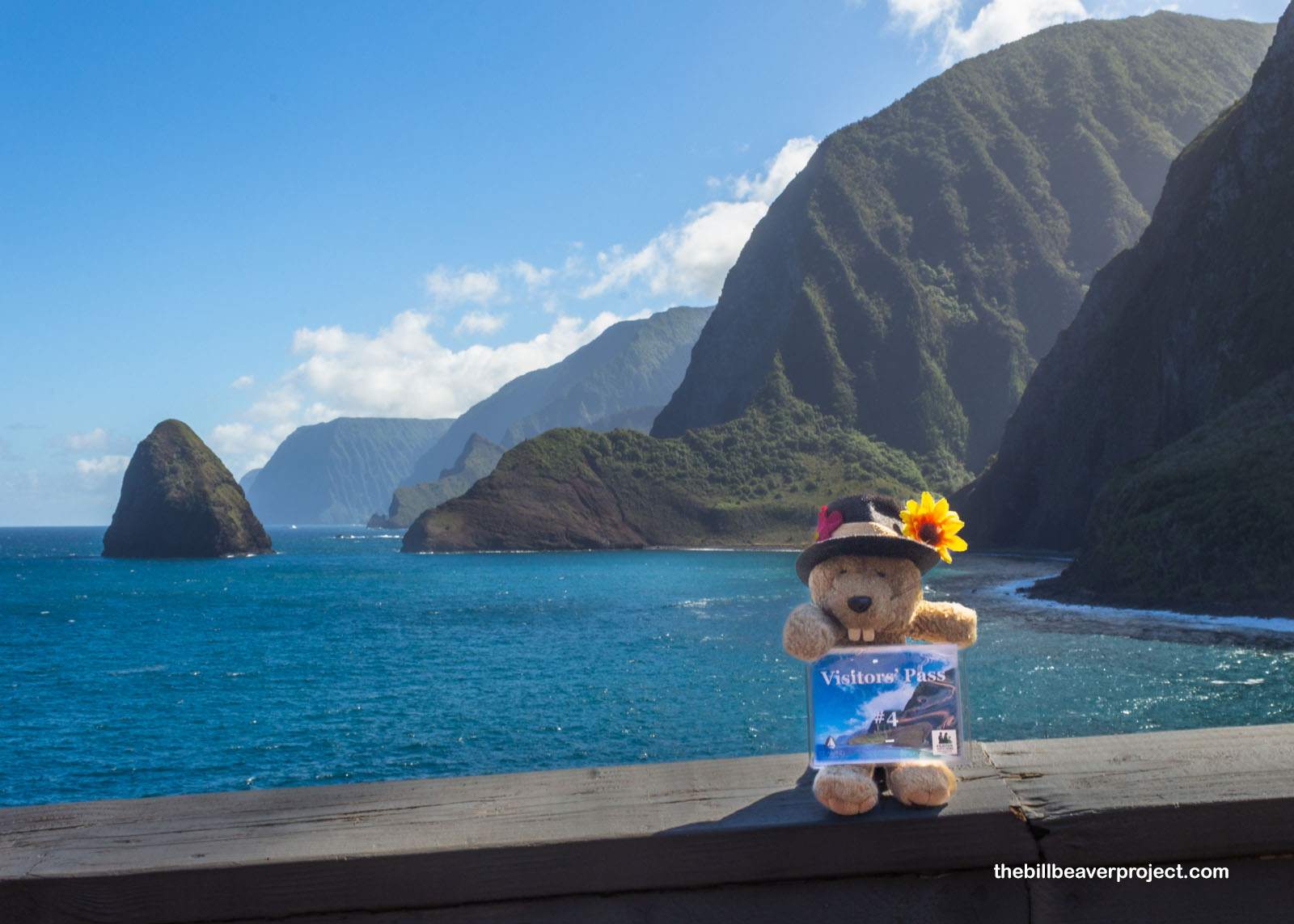
This isolated national park on Molokaʻi preserves the communities of Kalawao and Kalaupapa, where folks with Hansen’s Disease (f.k.a. leprosy) were banished between 1866 and 1969!
What Makes It Historical?
With the arrival of European traders to Hawaiʻi in the late 18th Century came European diseases—smallpox, influenza, and leprosy—which devastated the native Hawaiian population! Having already lost 90% of his people, King Kamehameha V signed the “Act to Prevent the Spread of Leprosy” in 1865, banishing forever anyone with symptoms of this bacterial infection to the remote Kalaupapa Peninsula on the north of Molokaʻi! After kicking out the folks whose families had been living there for 500 years, the Hawaiian government dropped off the first 12 patients to fend for themselves on January 6, 1866, and against all odds, they not only survived but also built a whole community!
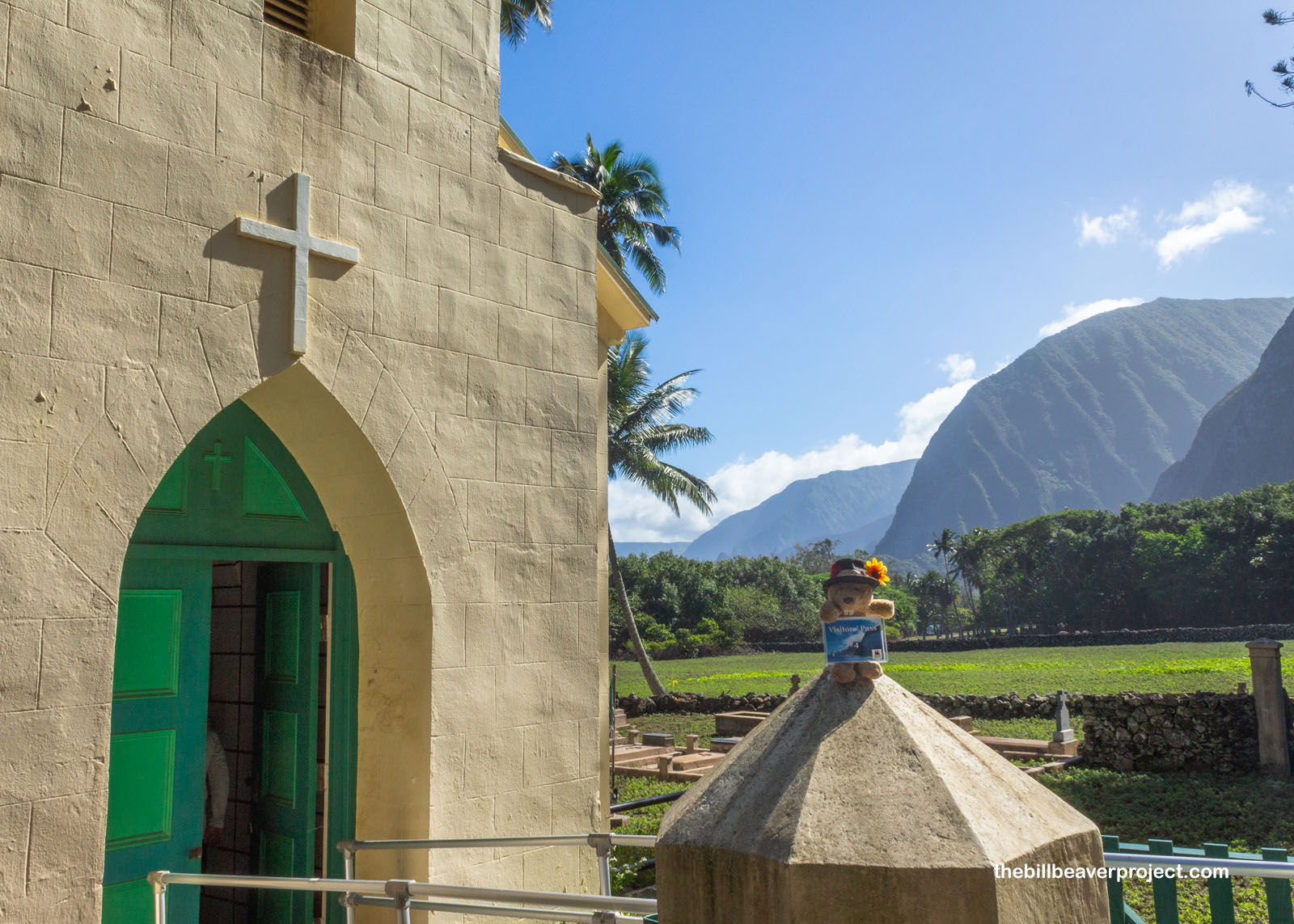
Helping them along the way were members of religious orders, who accepted their own exile to dedicate their lives to helping these folks. Chief among them was Father Damien, born Joseph de Veuster, who arrived here in 1873 and helped build churches, houses, an orphanage, and a hospital, all the while tending to the residents’ spiritual needs. His dedication would earn him sainthood 120 years later on October 11, 2009!
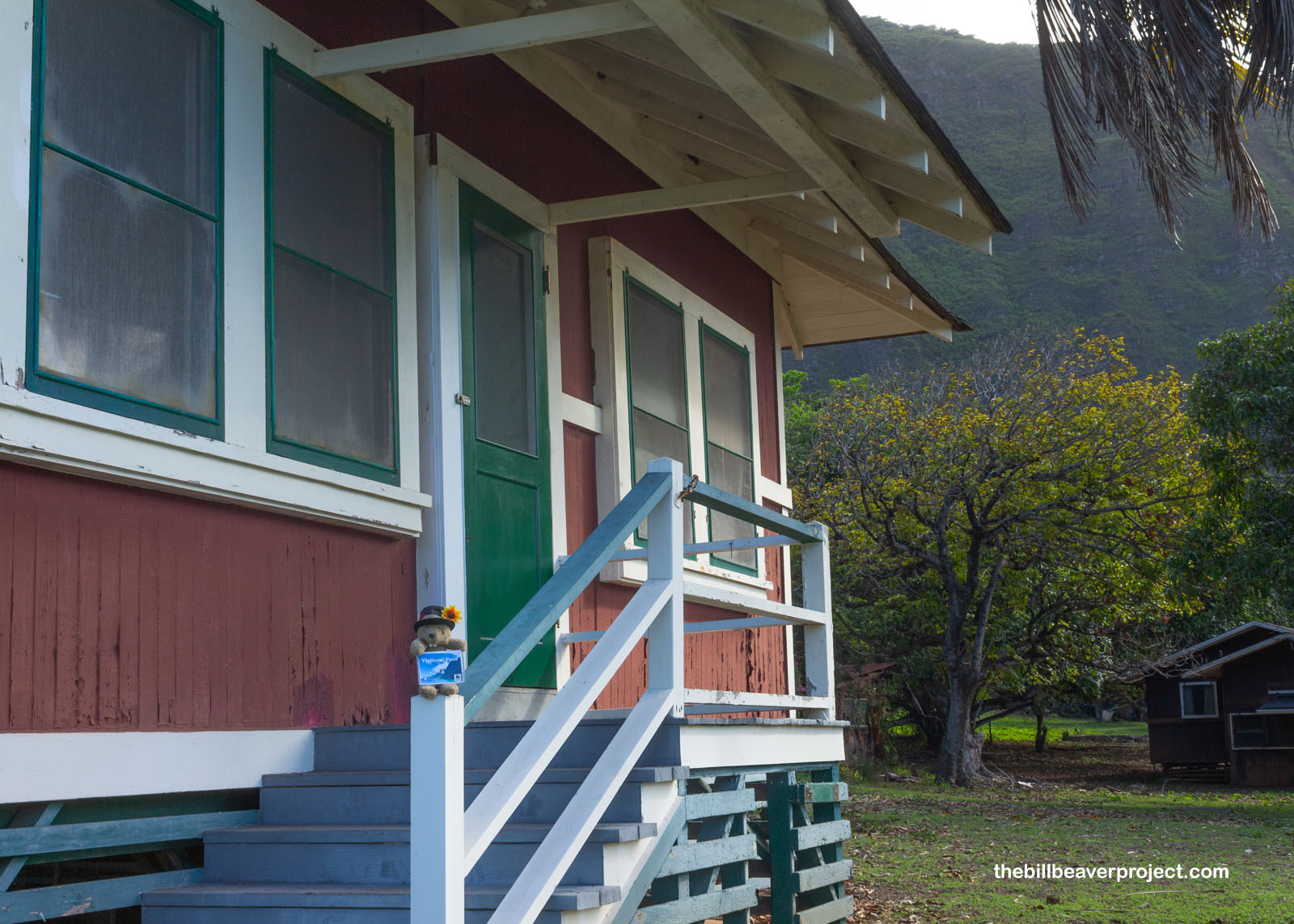
A second future saint would arrive here in November 1883: Marianne Cope (born Barbara Koob), who had been doing hospital work on Maui when she met Father Damien as he himself was dying of leprosy! She, and three other Sisters of St. Francis—order still in residence—journeyed to Kalaupapa in November 1888 and got right to work, taking over Father Damien’s Boys’ Home alongside Joseph Dutton, a monk seeking redemption after the Civil War, and the newly built Bishop Home for women and girls. Mother Marianne enforced patient dignity, privacy, and hygiene practices by anyone who wanted to visit them, for 30 years! Her work earned her sainthood as well on October 21, 2012!
When sulfone drugs were discovered to cure Hansen’s Disease in 1940, cracks began to show in quarantine. At Kalaupapa, patient-residents could have jobs, join clubs, play sports, and receive celebrity guests like Shirley Temple, John Wayne, Red Skelton, and the von Trapp Family! Forced isolation ended in 1949, but for most patient-residents, there was nowhere else to go. Marriages had been dissolved, wills had been executed, and lives had been uprooted and re-planted. One multi-talented resident named Kenso Seki took advantage of the opening-up to travel the world, collecting souvenir sports pennants and meeting his longtime pen pal in New Jersey! By the time the isolation policy was officially abolished in 1969, almost 8,000 people had lived and died at Kalaupapa!
How Can I #HelpTheHelpers?
- Volunteer at KalaupapaNational Historical Park!
- Donate to KalaupapaNational Historical Park!
- Be a responsible visitor! Remember the old adages: Pack out what you pack in! Take nothing but pictures and leave nothing but footprints!
How Do I Get There?
7 Bishop Rd
Kalaupapa, HI 96742
(Take Me There!)
When Should I Visit the Park?
In order to visit Kalaupapa, you’ll have to book a guided tour with Kalaupapa Saints Tours, LLC! This tour is the only way to see Kalaupapa!
More Photos