What Is Louse Camp?
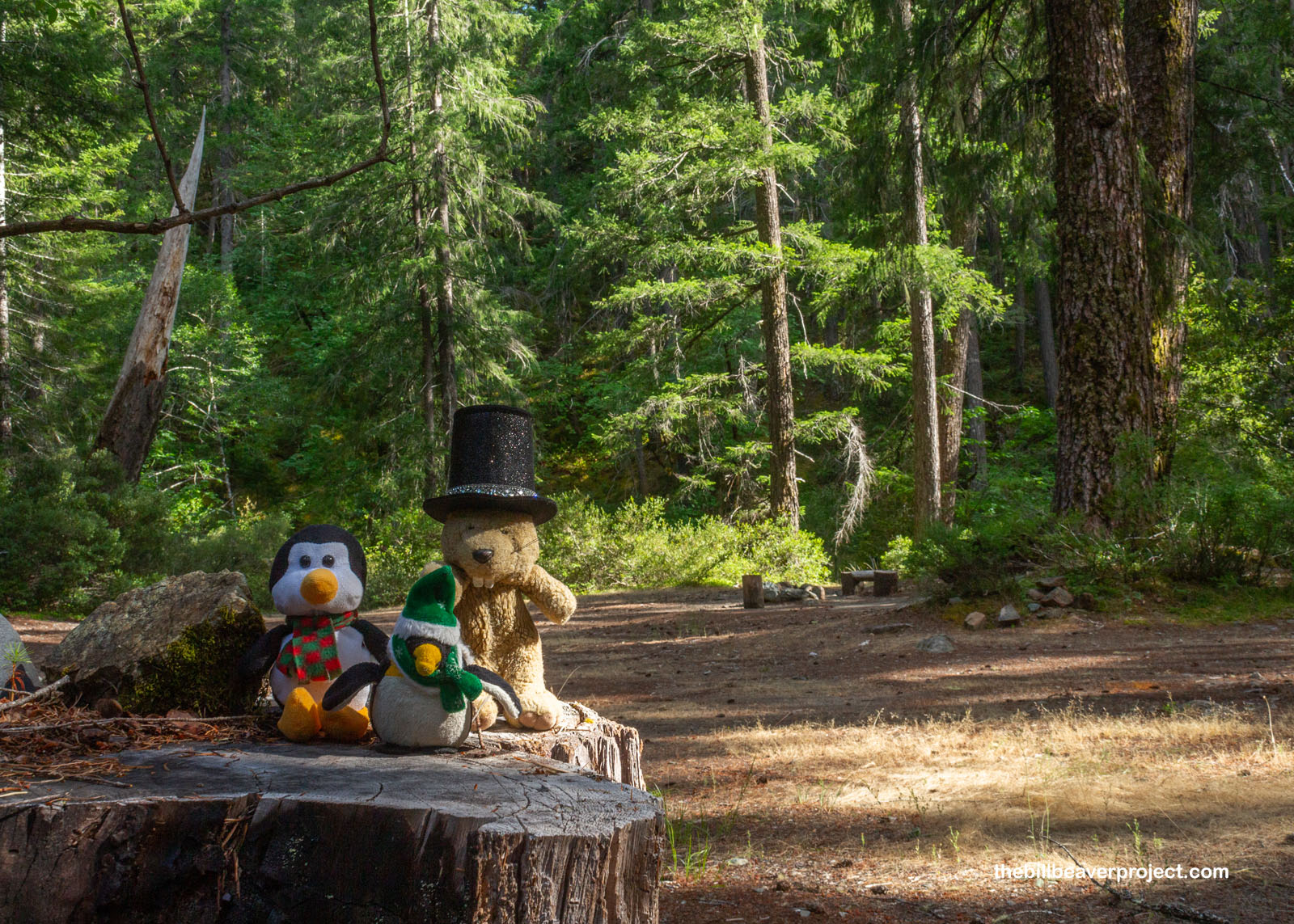
This 3/4-acre campground is the only undisputed location that’s played a role in all three stages of the Bigfoot legend: the discovery, the hunt, and the filming!
What Makes It Historical?
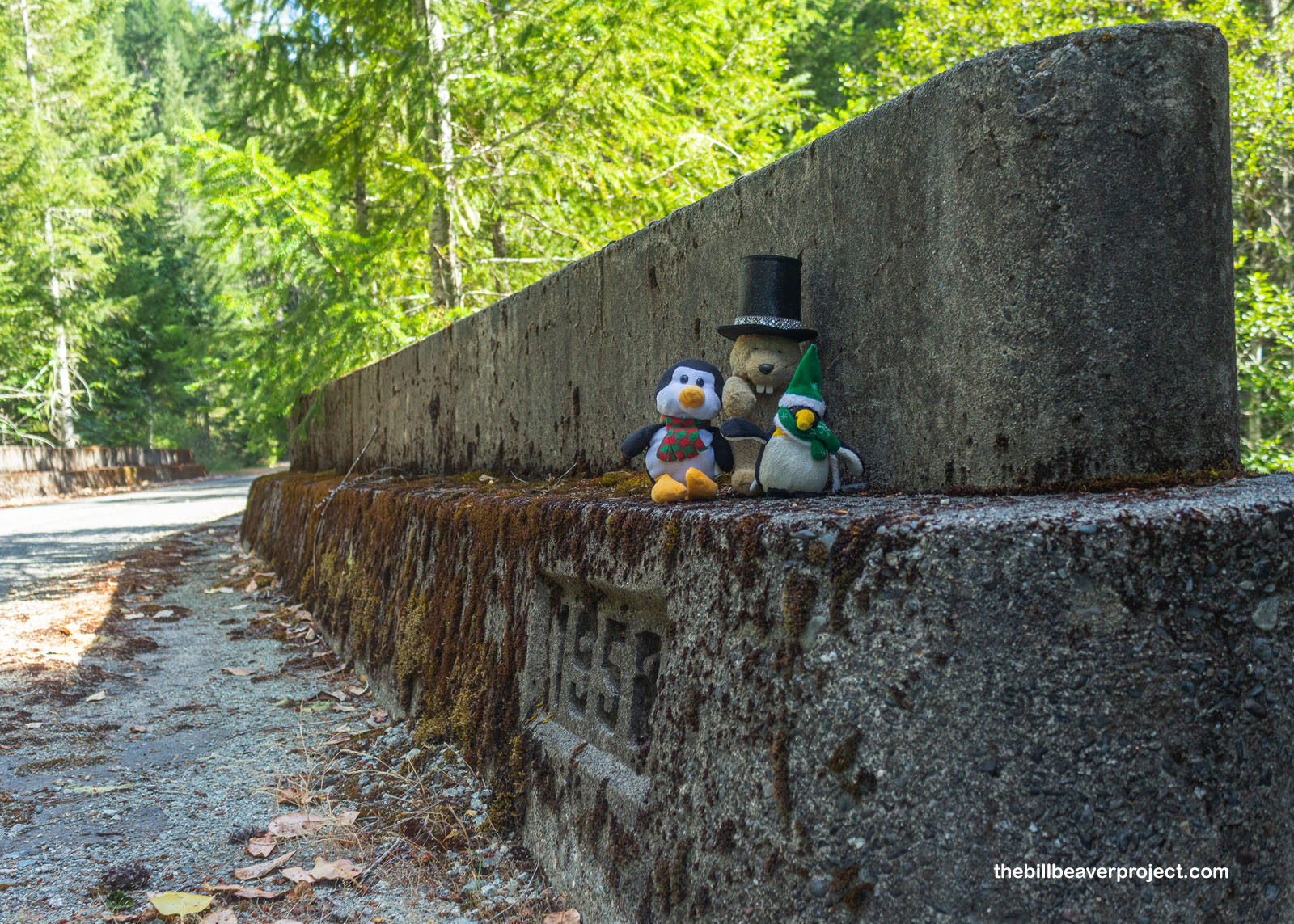
Louse Camp was a camp for roadbuilders on a 9-mile portion of the Bluff Creek Road that was contracted to James H. Clack in February of 1957 with the goal of reaching the Blue Creek drainage. However, the terrain of Six Rivers National Forest was treacherous and prone to landslides! To pick up slack, Mr. Clack sub-contracted part of the road to Wallace Bros. Construction Company of Willow Creek in August of 1958, and shortly thereafter, enormous 16-inch footprints began appearing on the road north of Louse Camp with a 50-inch stride! On October 1, 1958, Wallace Bros. employee, Jerry Crew, made casts of some of the prints and a few days later, brought them to Andrew Genzoli of the Humboldt Times. On October 5, Mr. Genzoli sent out an Associated Press wire, and “Bigfoot” was born in papers from coast to coast!
The following year, Texas oilman and 1950s yeti hunter, Tom Slick, sponsored an expedition to find, photograph, and ideally catch a Bigfoot! Organized in Wyatt’s Motel in Willow Creek (now the Bigfoot Motel), this Pacific Northwest Expedition, led by Redding taxidermist, Bob Titmus, and variously featuring the big names of Sasquatchery—John Green, René Dahinden, and Peter Byrne—would officially be based out of Louse Camp for the next two years. During that time, they did not encounter Bigfoot, but instead encountered a series of pranks by Jerry Crew’s boss, Ray Wallace, and personality clashes with each other! The mission ended when Mr. Slick died in a plane crash in 1962, but the Expedition’s impact can still be seen in the Bigfoot styling of Willow Creek and the annual Bigfoot Daze Festival!
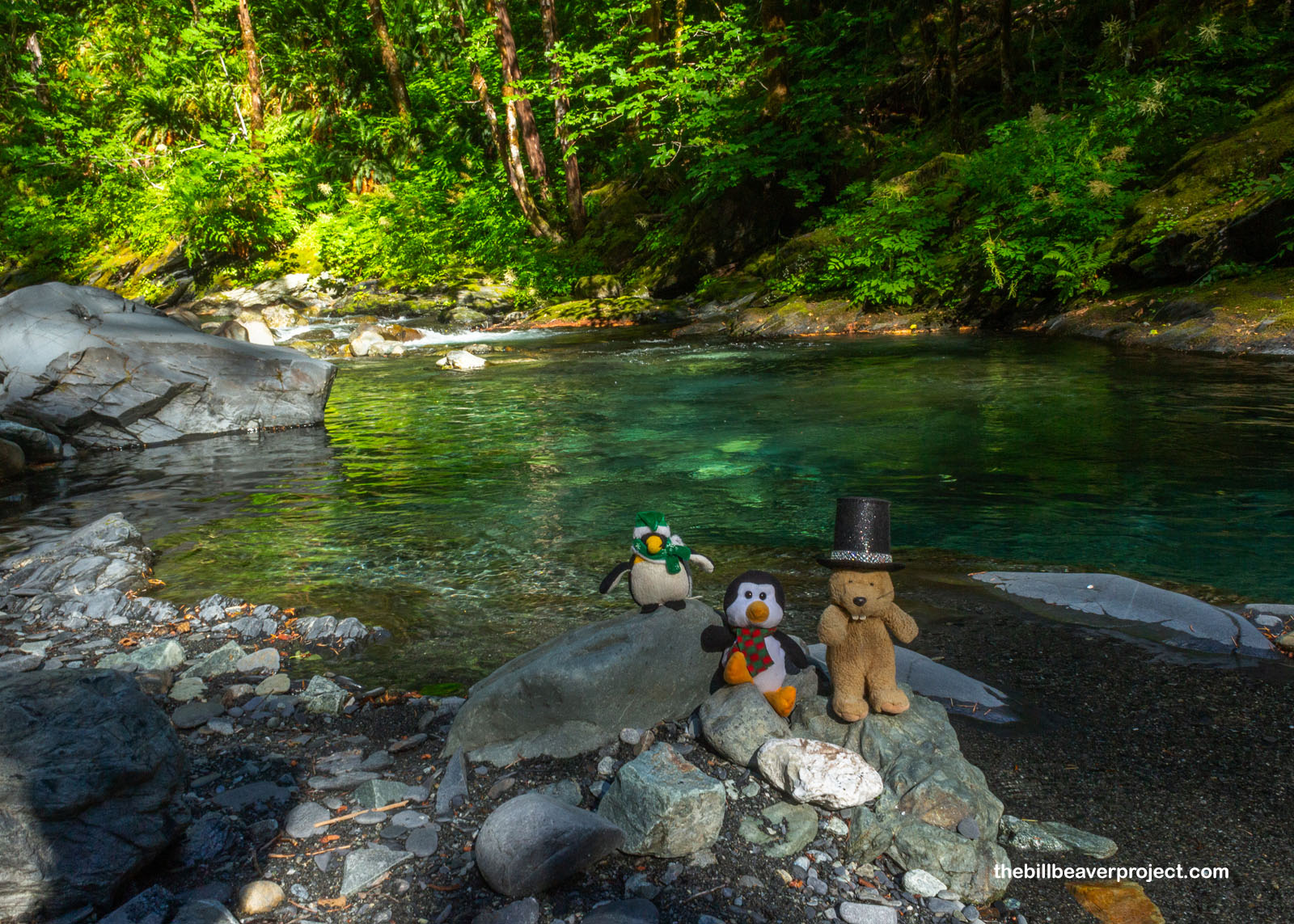
Nearly a decade later, Roger Patterson and Bob Gimlin made note of Louse Camp in October 1967 while scouting locations for their (in)famous Bigfoot film farther up Bluff Creek! During that time, the camp had transitioned from a roadbuilding camp to a recreational campground, which it remains today. For Bigfoot enthusiasts, visiting Louse Camp and swimming in its crystal blue pool is an act of pilgrimage!
How Can I #HelpTheHelpers?
- Volunteer with the US Forest Service!
- Become a member of the Willow Creek – China Flat Museum!
- Be a responsible visitor! Please respect the signs and pathways, and treat all structures and artifacts with respect. They’ve endured a lot to survive into the present. They’ll need our help to make it into the future!
How Do I Get There?
Forest Route 12N10
1 mi south of Forest Route 12N13
Orleans, CA 95556
(Take Me There!)
When Should I Visit?
Louse Camp is open 24/7 between May and October!
More Photos