 First Finger |
Dulles, VA → Carlisle, PA → Dulles, VA 246.0 mi (395.9 km) |
 More 2026 Adventures |
I’m shooting for the moon (buggy), everyone!
With one finger off the list, a second Middle Finger Monument was in my sights! It was really unfortunate that two of these national monuments had to be in Pennsylvania and Maine respectively, but I was going to make it work over a Juneteenth weekend. After overnighting from LAX to Dulles (so I could pay a visit to my friends later), and drifting across the airport on one of the famous mobile lounges, or “moon buggies,” I hit the road on a cloudy, drizzly morning all the way up to Carlisle, Pennsylvania, just west of Harrisburg.
I’d been trying to figure out how to get a permit to access this active military base for months, but after filling out the form with lots of personal information and hearing nothing back, I learned I could just walk in and ask for a permit on the spot! The only setback was, I pulled up at 8:30 AM and learned that I couldn’t even get in until 10:00, which made me nervous because of the looming clouds. But, I knew to follow the rules on a military base, even if it was home to the super long-named Carlisle Federal Indian Boarding School National Monument!
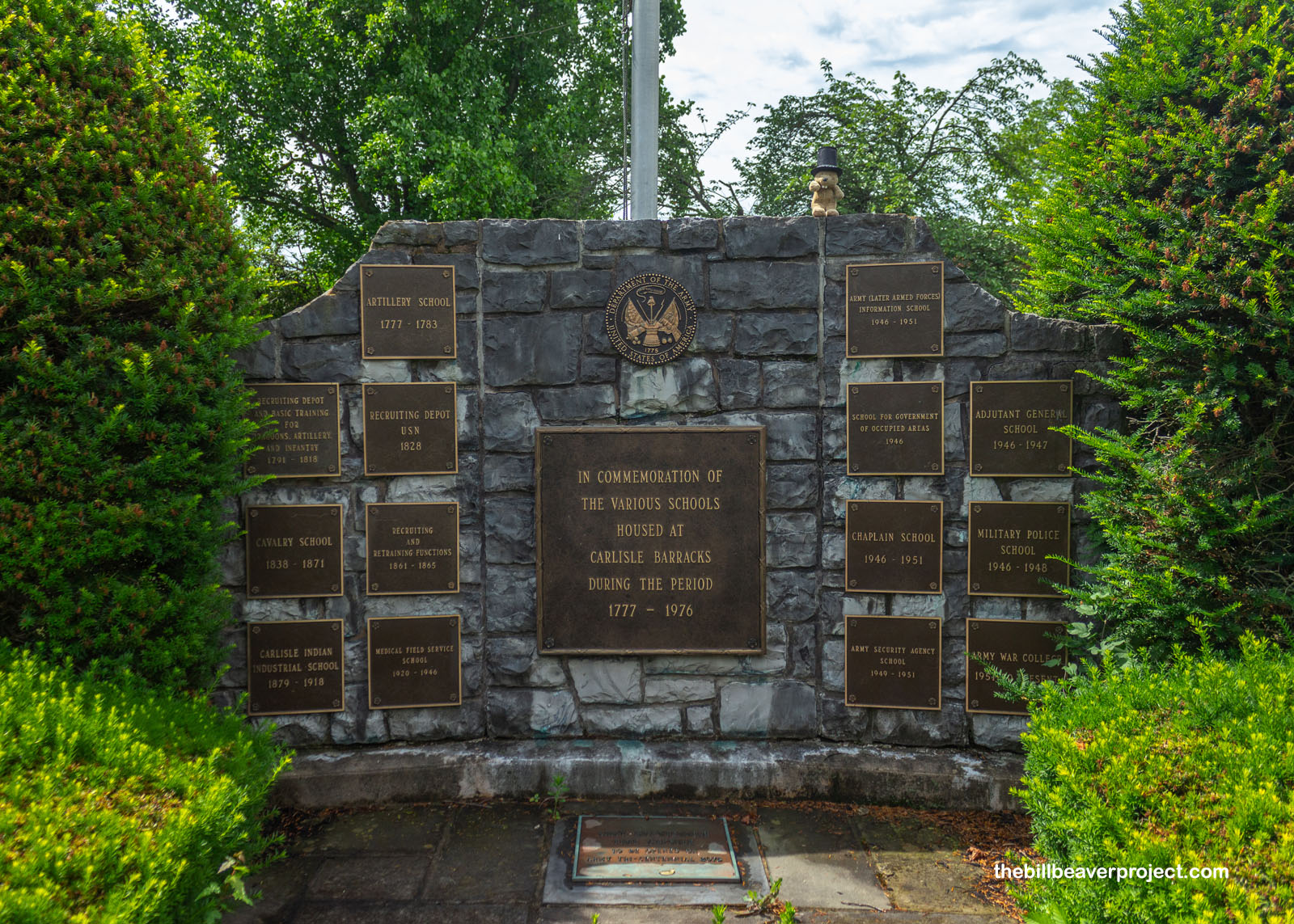 |
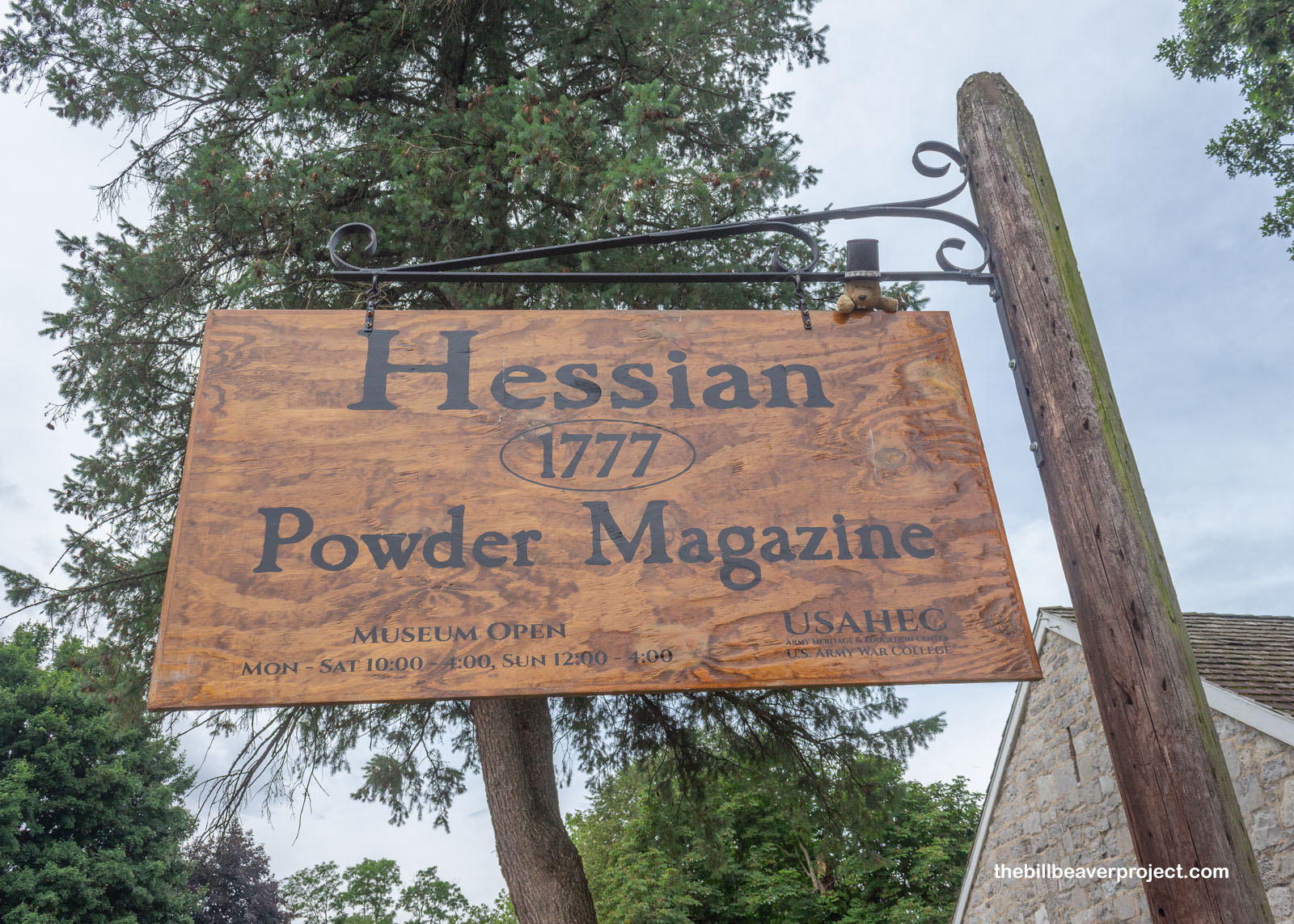
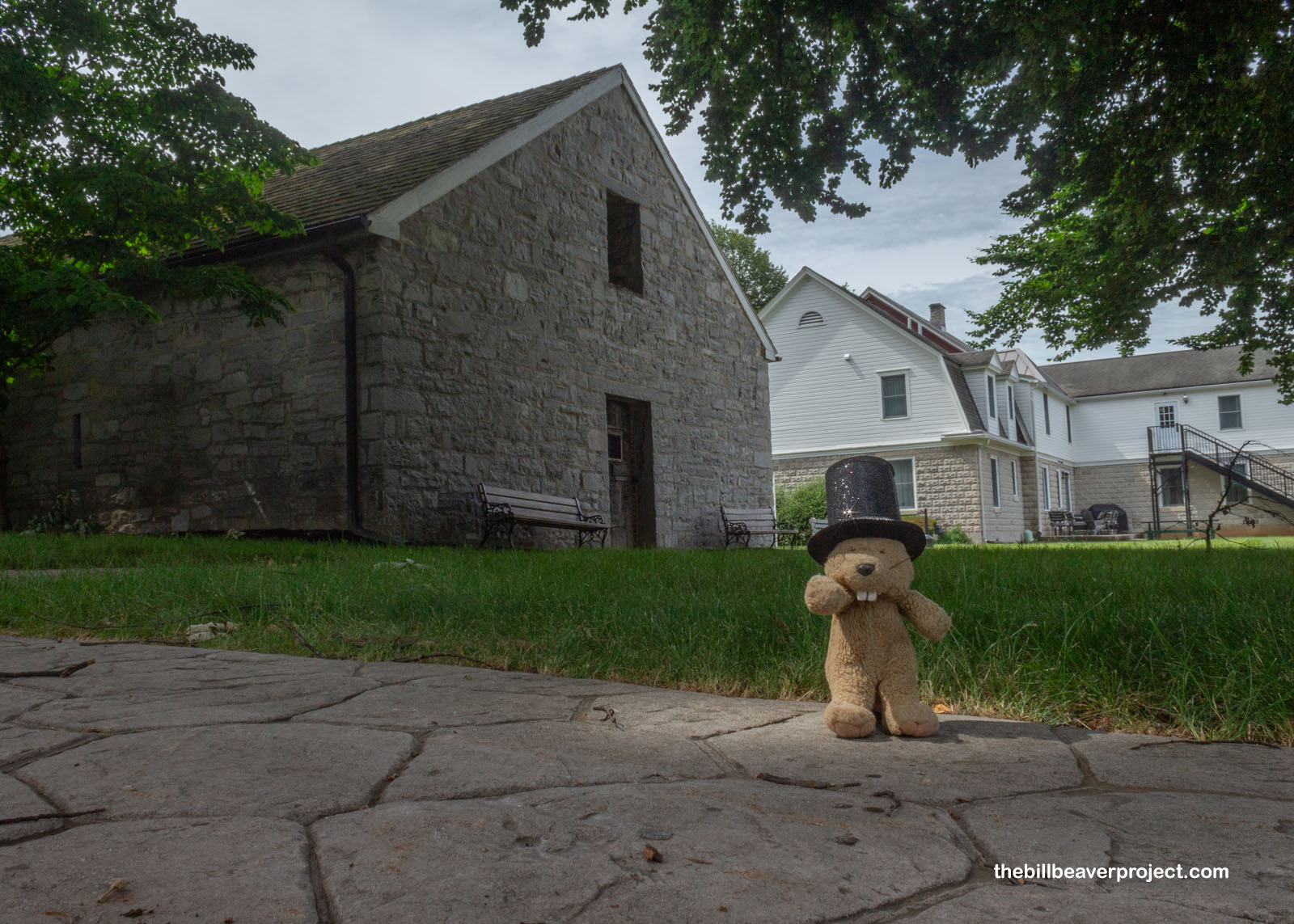
And this is a place with a history as long as its name, founded by Colonel John Stanwix in 1757, ironically, at the intersection of ancient Native American trade routes during the French and Indian War! When the colonies rebelled, this became a laboratory, manufacturing center, and arsenal, and the oldest building here dates back to that Revolutionary time: a powder magazine built by Hessian prisoners captured in the Battle of Trenton! Here, the Continental Army stored gunpowder, cannonshot, and small arms well away from British influence! The museum had its hours marked but was very much closed when I arrived, so I moved on with only a rough map to guide me to important sites. This national monument is new enough not to even have a dedicated NPS sign!
 |
 |
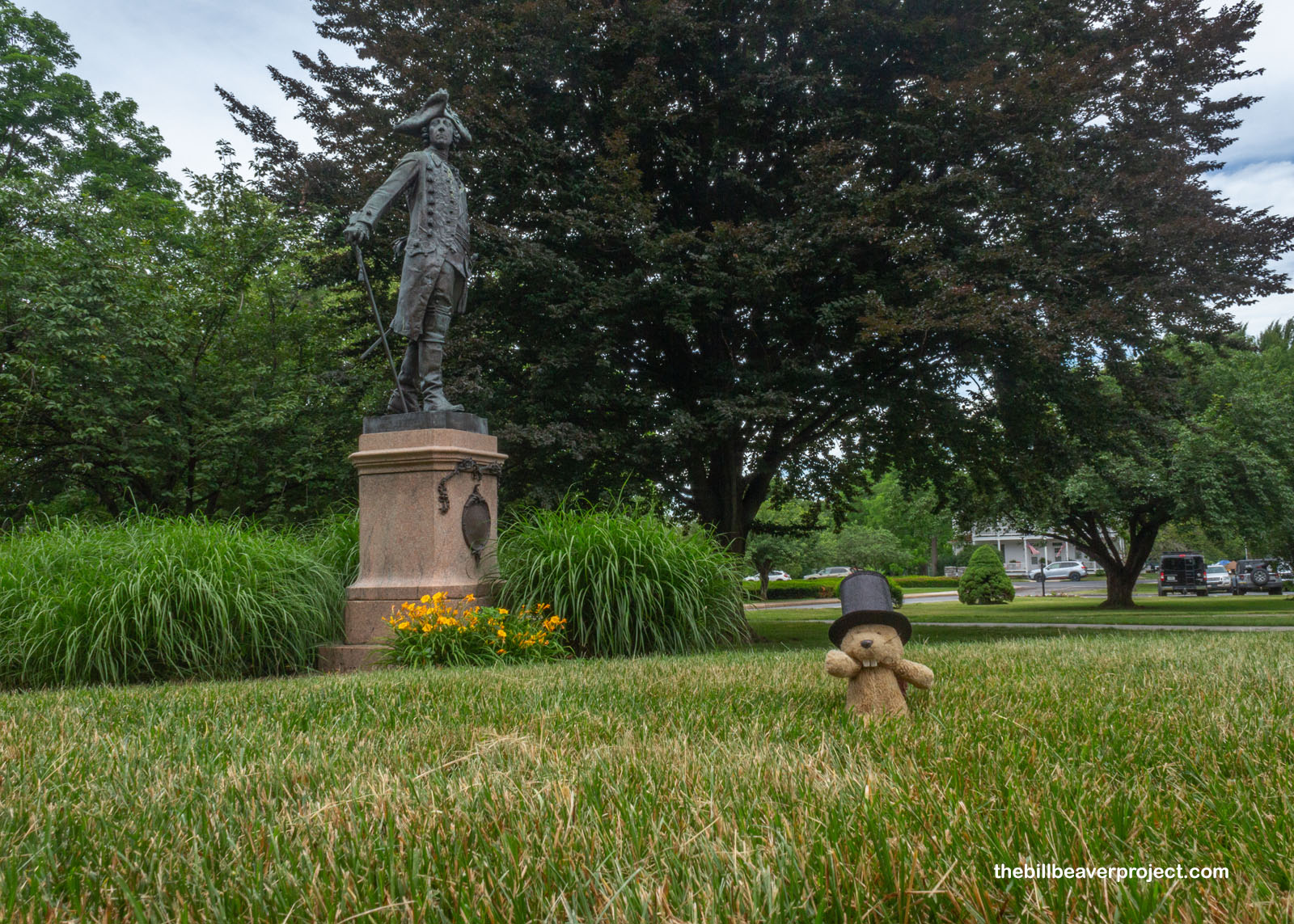
Just northeast of here stood a different representative of what’s now Germany: Frederick II (“the Great”), the Prussian unifier. It was a goodwill gift for the United States in 1904, but only 13 years later, US forces would be battling its gifter—Kaiser Wilhelm II—in the trenches of the Western Front! Despite a bombing attempt in 1905, the statue stayed at Fort McNair in Washington, DC all the way until 1918, when Frederick was tucked away in a cellar for almost ten years! He emerged again in 1927 then went back to storage during World War II, then, like a Punxsutawney groundhog, came back into the light after the war, but in Carlisle, Pennsylvania. And here, this pre-Germany German remains today!
 |
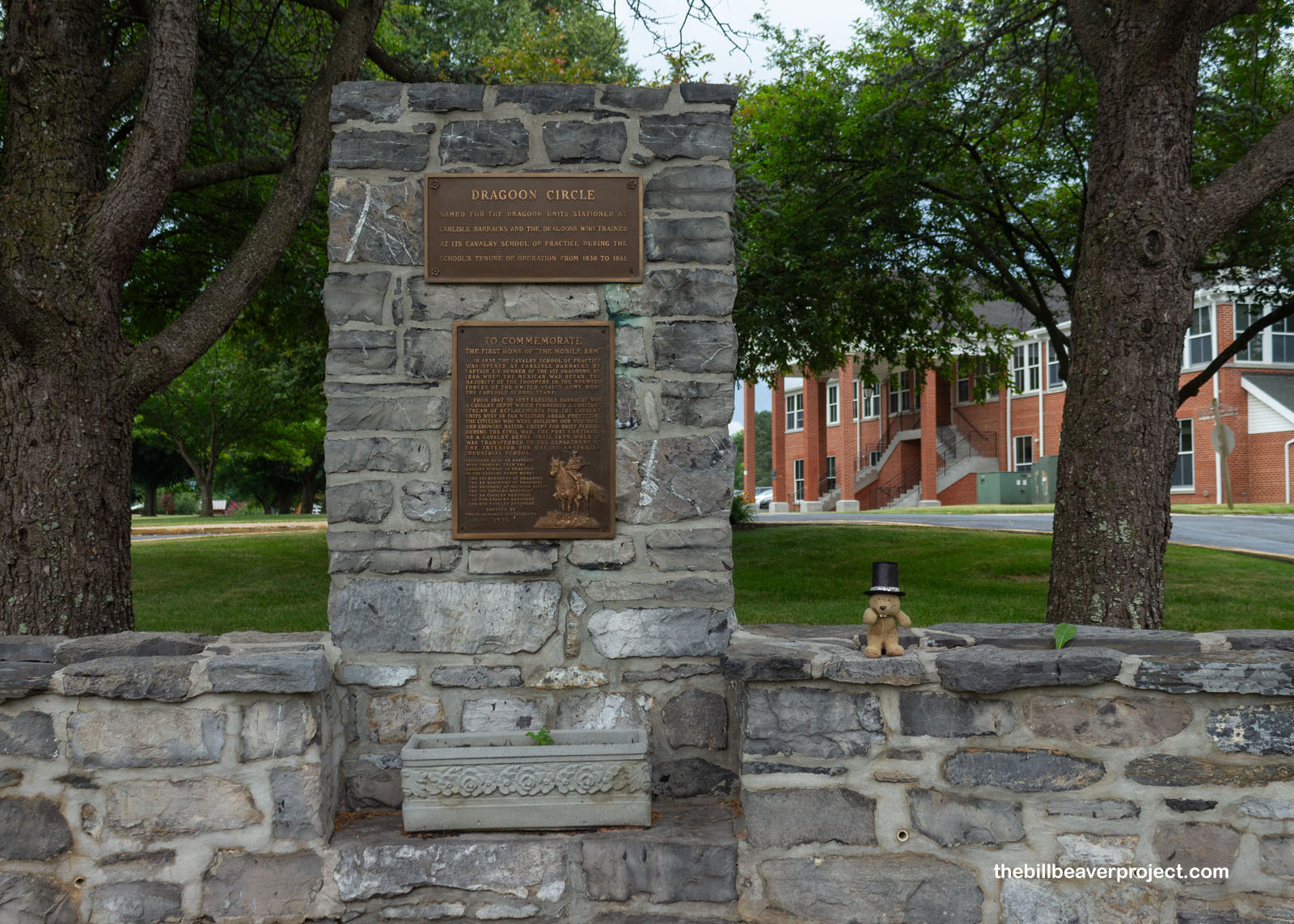
Significantly, the Kaiser’s War marked the historic end of this base’s national monument significance! Bought by the US government in 1801 and shaped into a formal cavalry school by 1836, the Carlisle Barracks were training grounds for mounted officers who served both the Union and Confederacy during the Civil War! “Jeb” Stuart of the Confederacy captured the base in 1863 and burned most of Carlisle to the ground en route to certain doom at Gettysburg, and in the aftermath, the base sat mostly unused for a good decade while Civil War veterans turned their firearms toward the domination of Native American tribes on the Great Plains and beyond!
 |
 |
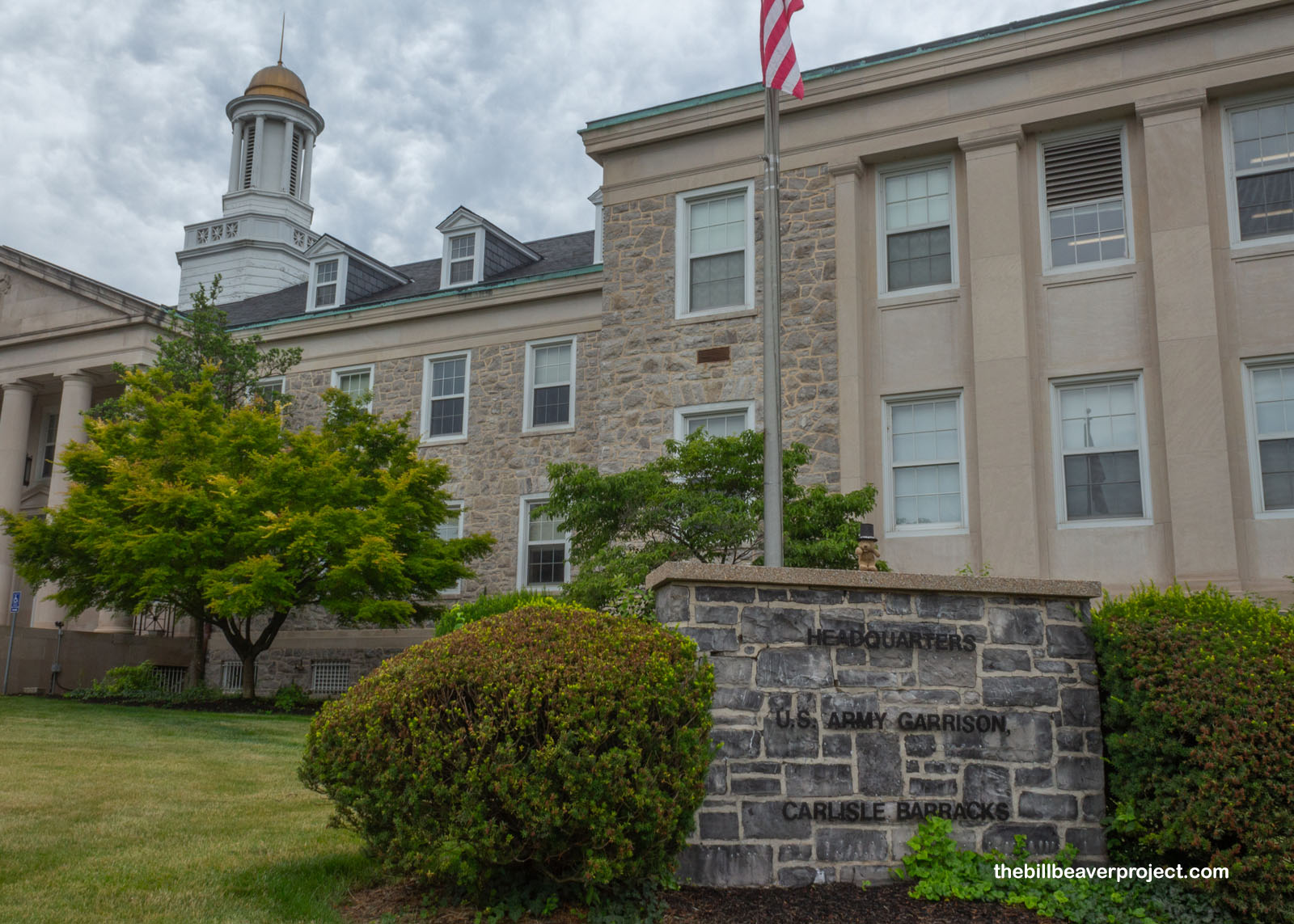
Today, all these years later, this is still an Army War College, and this building it its headquarters. It began as Hoff Hall for medical training in 1941, then became Root Hall when the Army War College moved in circa 1951, then became Upton Hall in 1967 when the College moved to another building and this became the center of historic research and collections! It was named for Brevet Major General Emory Upton, who was not only a major strategist during the Battle of Spotsylvania Court House, but also an influential writer and advocate for military education. And that historic bridge between the Civil War and the War College is where we pick up our national monument moment!
 |
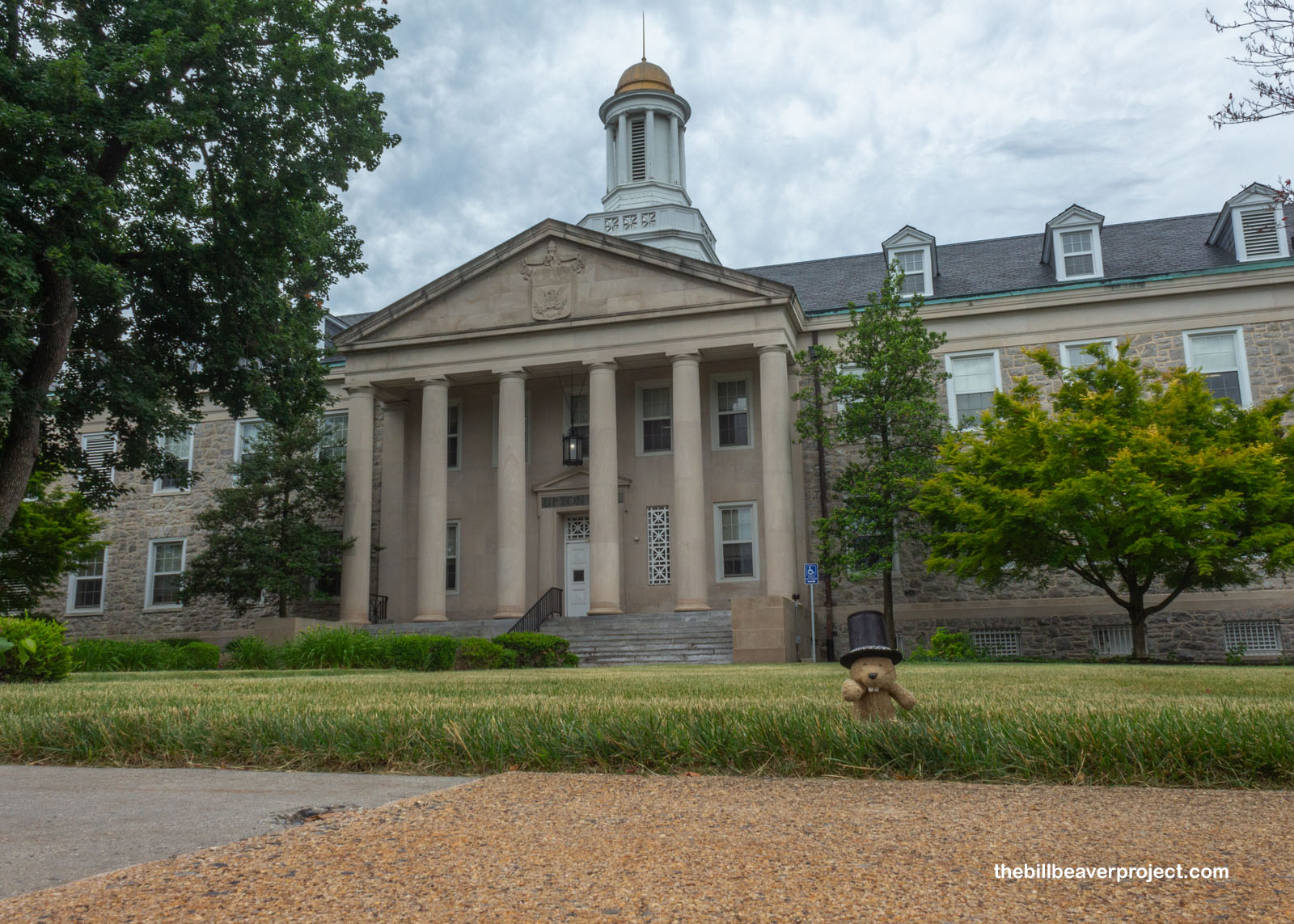 |
In a well meant but also a real middle finger move in the late 1870s, Lieutenant Richard Pratt envisioned turning the Barracks into a vocational school for Native youth, part of a long-running process of forced assimilation that would culminate with the Dawes Act of 1887! That Act spelled doom for Native ways of life, allowing the President to break up communal reservation land into nuclear family allotments! From 1879 until 1918, over 7,800 young folks from over 140 tribes were brought here to be stripped of their hair, names, language, and religion, and instead learn English and industrial trade skills from carpentry to blacksmithing to masonry! And this was just one of 417 such boarding schools across the country!
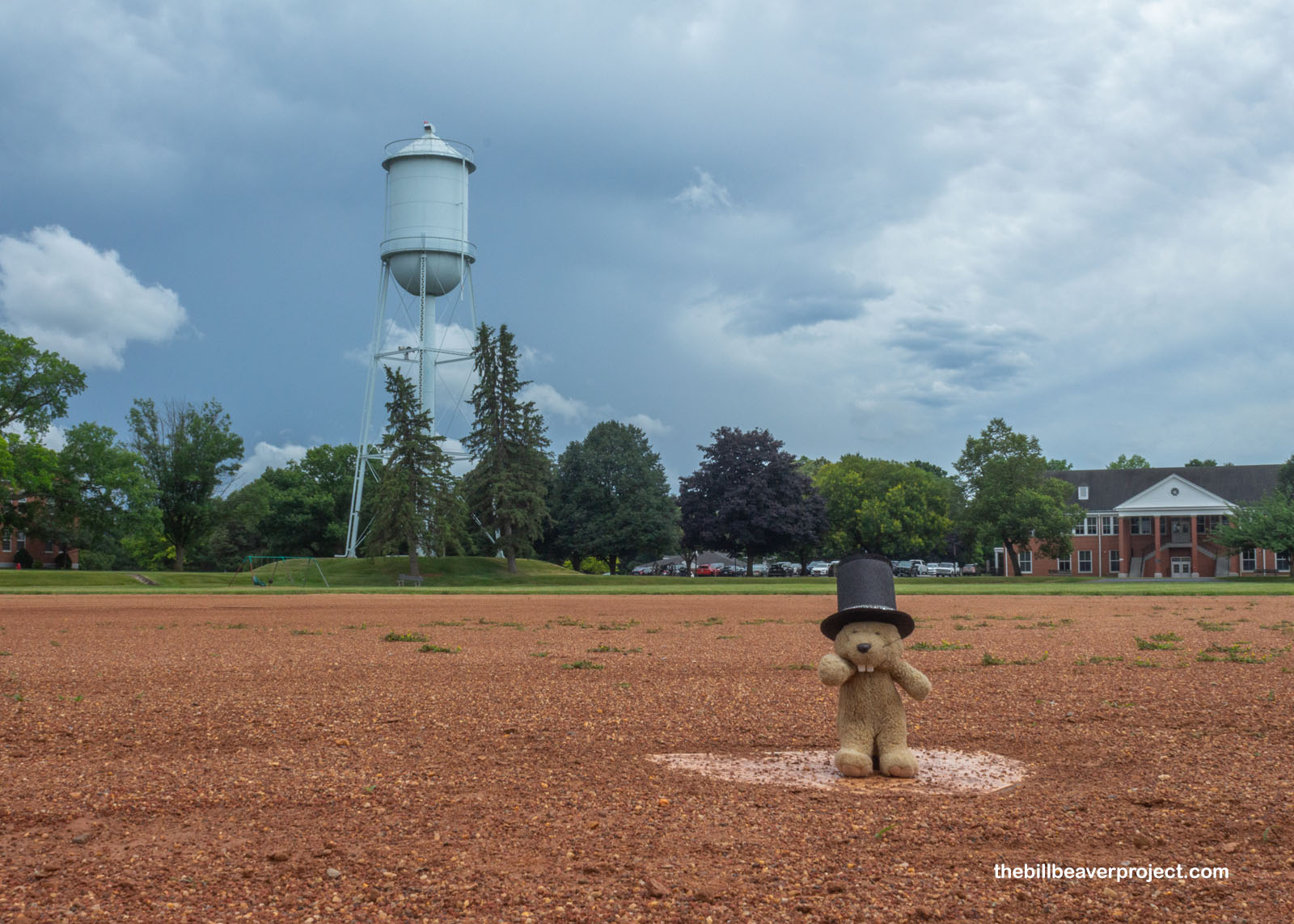 |
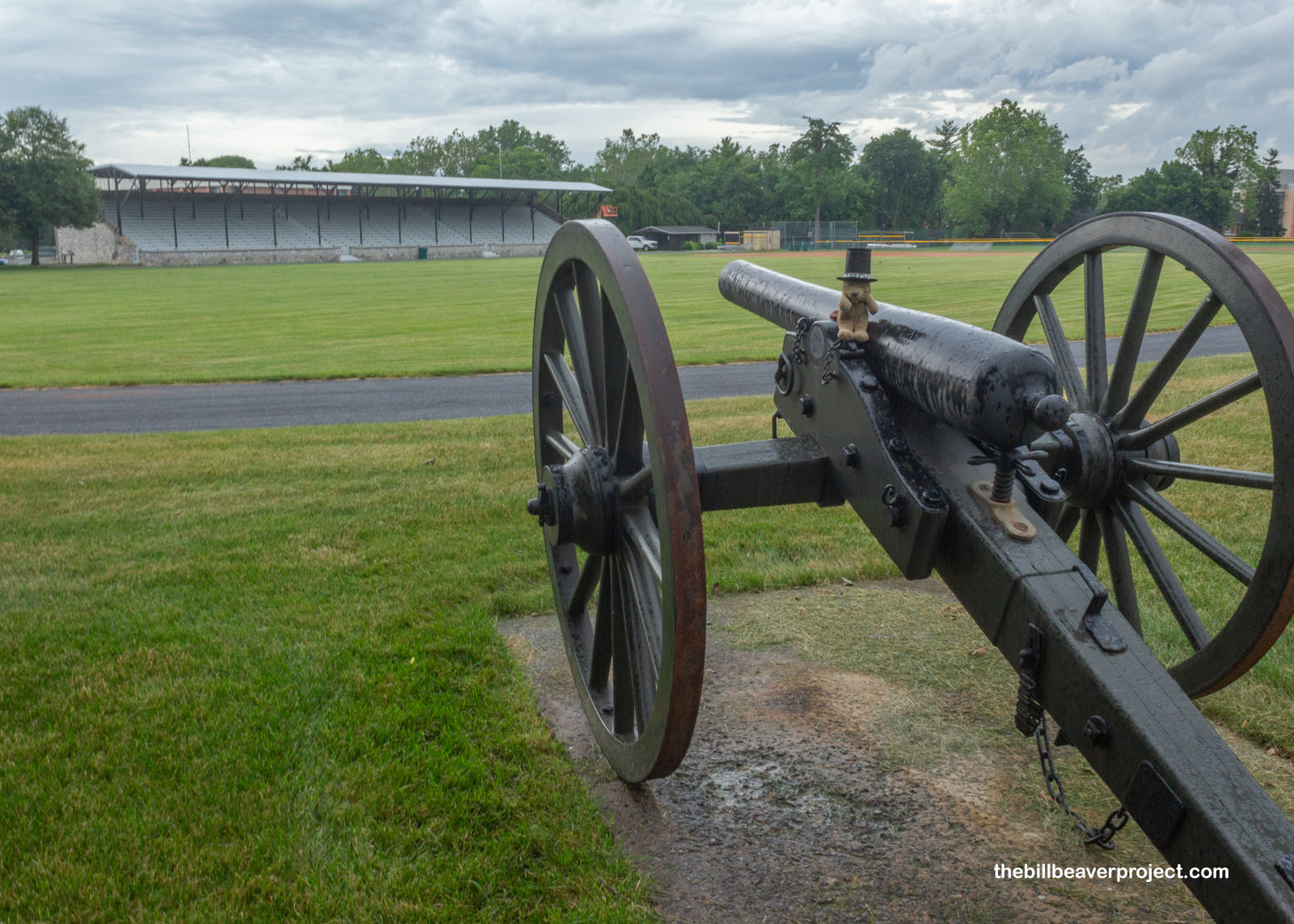
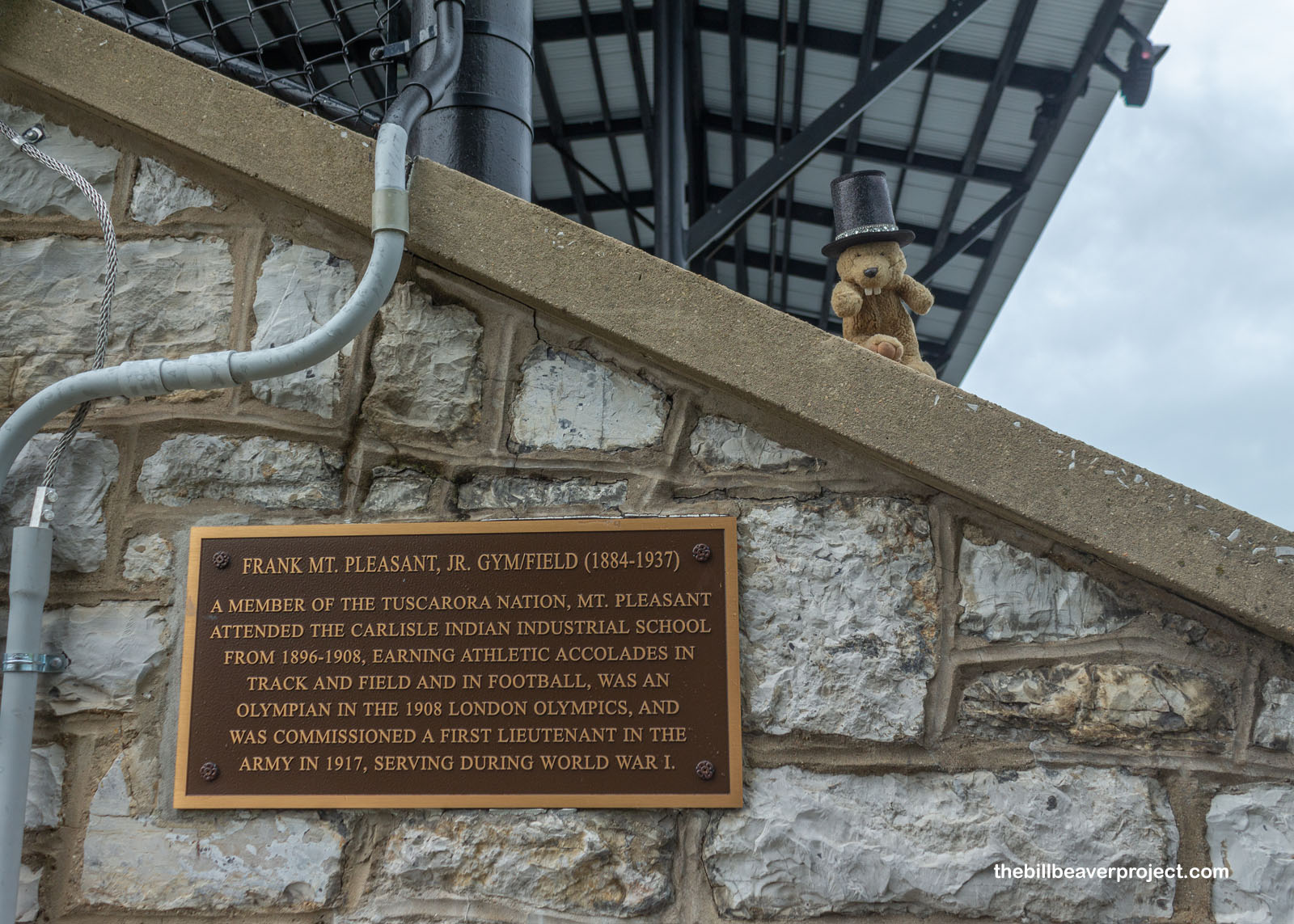
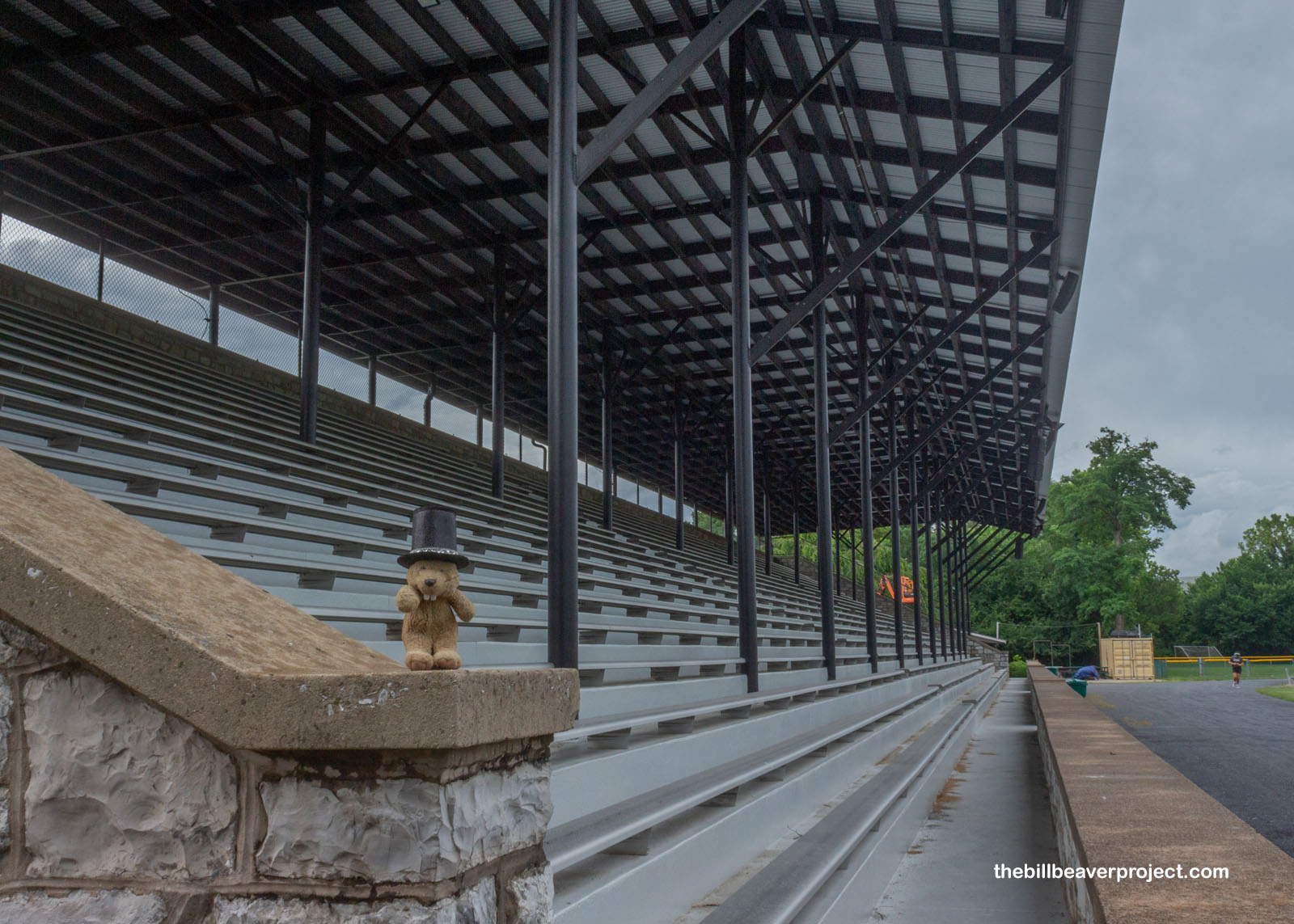
Between work and discipline, athletics were a core part of life at the Carlisle School. As American football had become popular in the previous decade, the school’s administration used it as a marketing tool, showing that the success of Carlisle athletes was in fact the success of Carlisle assimilation. The holes in that logic went unchecked for decades! The stadium of today is named for one of those athletes, Frank Mt. Pleasant, Jr., whose Tuscarora name, if he had one, was left unrecorded for posterity. He played football and ran track and field here as a student from 1896 until 1908, then immediately afterward went to the London Olympics and placed sixth in the triple and long jump! The first Native American to graduate from Dickinson College, he played football for the army for the next nine years until he was honorably discharged and moved to Buffalo, New York!
 |
 |
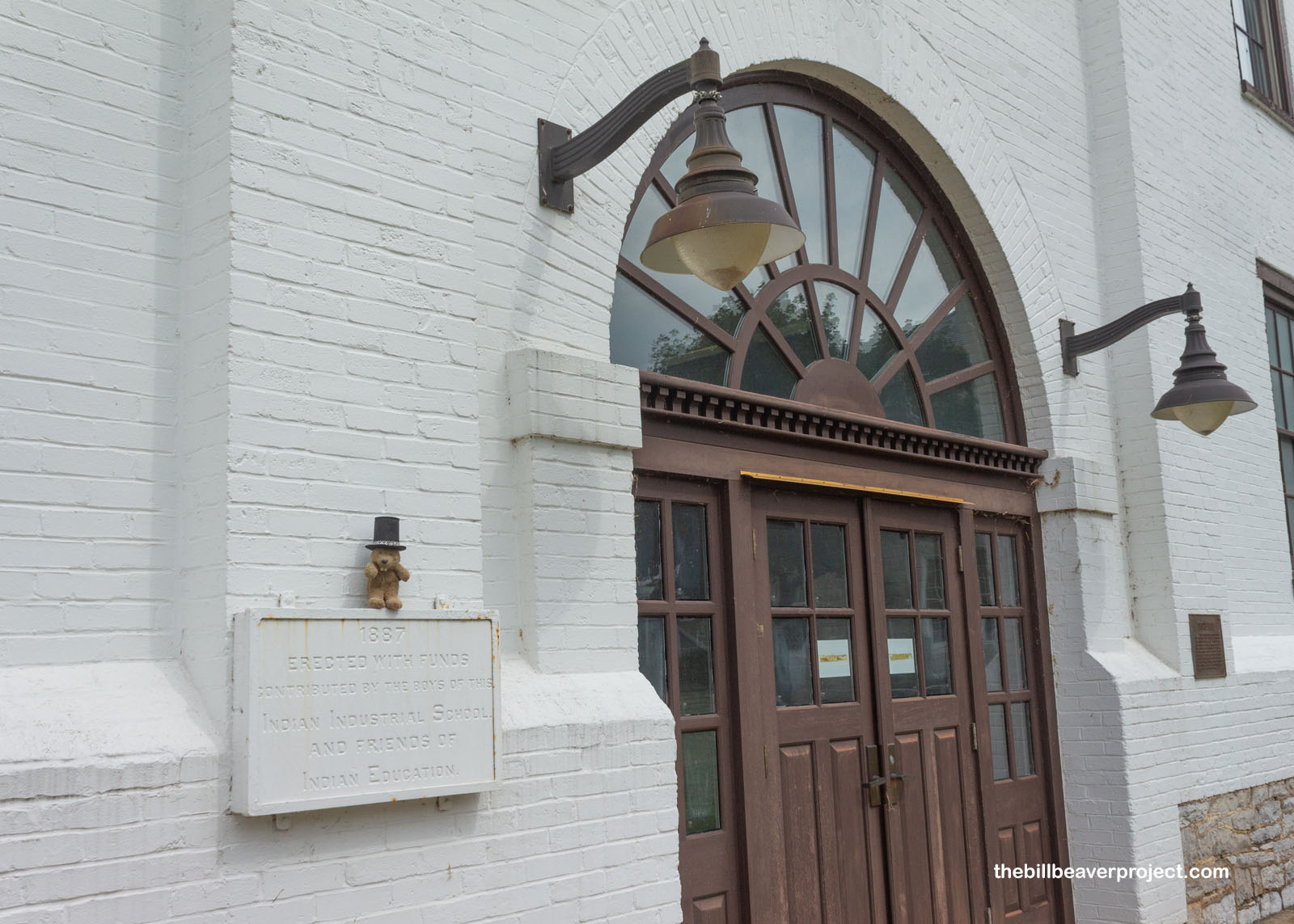
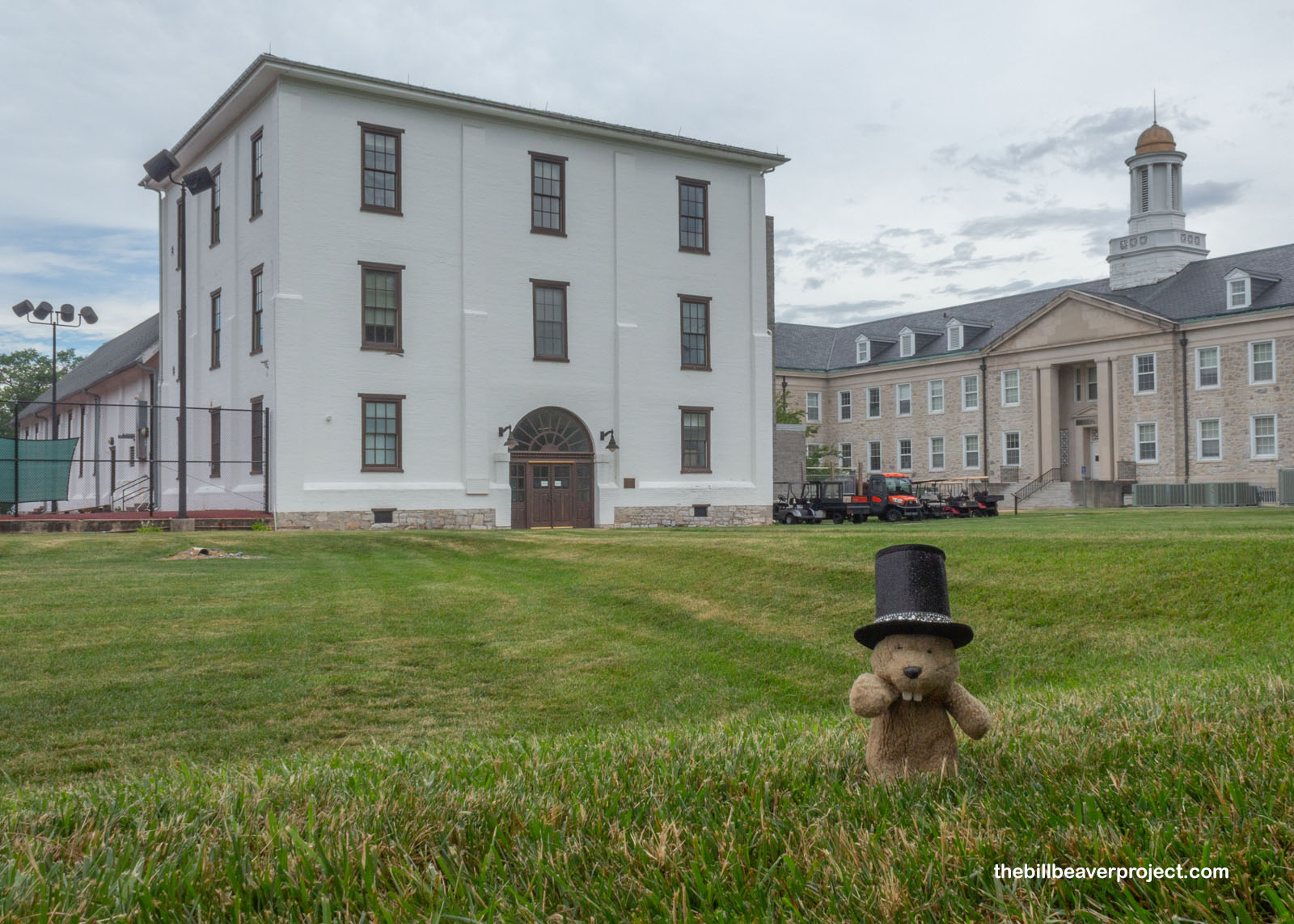
In support of the athletics program, Carlisle students hand-built this gymnasium in 1887 and expanded it in 1895, but it’s namesake didn’t even arrive at Carlisle until 1904! The school’s most famous alumnus, Wa-tho-huck (a.k.a. Jim Thorpe), made huge waves during his two stints at Carlisle (1904-1909 and 1911-1913). A star on the football field and the track, Mr. Thorpe went to the 1912 Olympic Games in Stockholm and won gold medals in the pentathlon and decathlon, earning praise from King Gustav V: “Sir, you are the greatest athlete in the world.” In response, Mr. Thorpe just said “Thanks, king.”
 |
 |
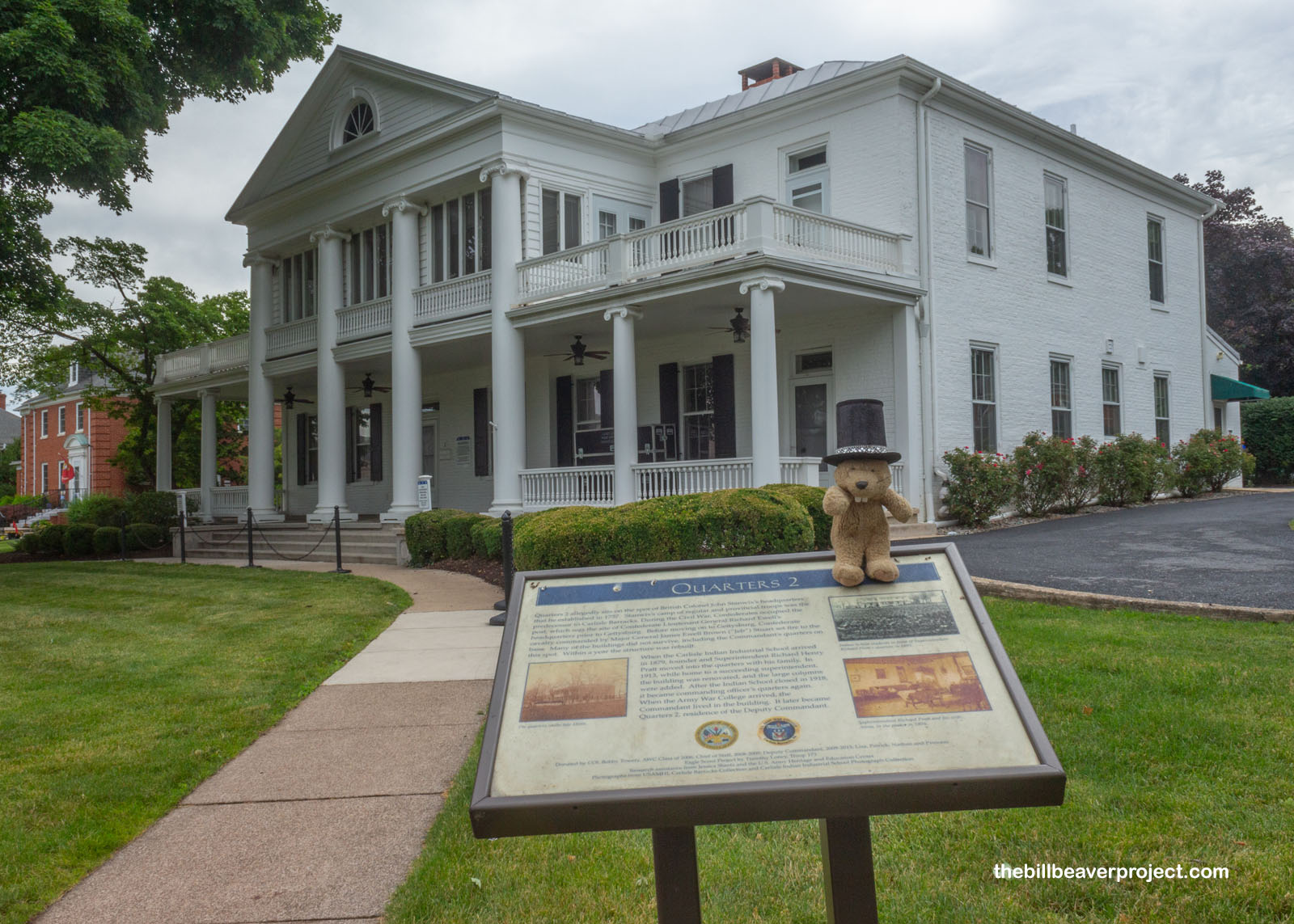
All around the Barracks, different buildings told the complex history of this area. It’s believed that the humbly named Quarters 2 stands on the original site of Colonel Stanwix’s 1757 headquarters, but it’s hard to know for sure since the whole base was burned by the Confederacy. That’s why this building, rebuilt the following year, is called Quarters 2! This is where Richard Pratt moved in circa 1879 to orchestrate his new school idea, and it remained the home of the Commandant, then Deputy Commandant, long after the boarding school transitioned into the Army War College!
 |
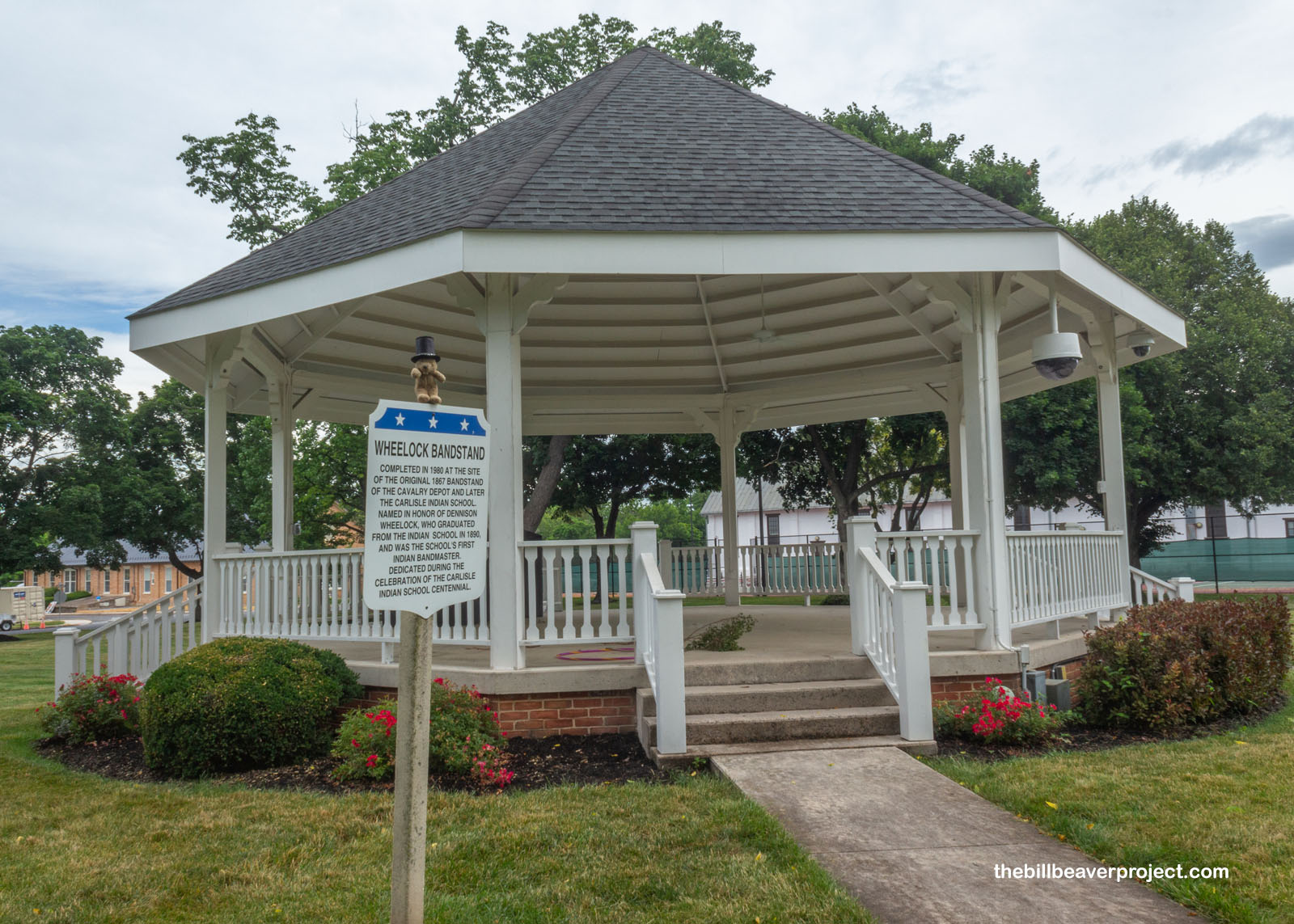
All kinds of pieces had to be put back together after the Civil War, some later than others. The Wheelock Bandstand, for instance, is on the original parade grounds and in the same spot where its namesake, Dennison Wheelock, played as the first Native bandmaster in the 1880s. At the start of the 20th Century, he debuted his three-party symphony, Aboriginal Suite at Carnegie Hall, and it went on to be performed at both the Paris Exposition and the Pan-American Exposition the following year! Admitted to the bar in Wisconsin, he had a long career advocating for Native American rights in the US Court of Claims and the Supreme Court! His bandstand was reconstructed in his memory here in 1980!
 |
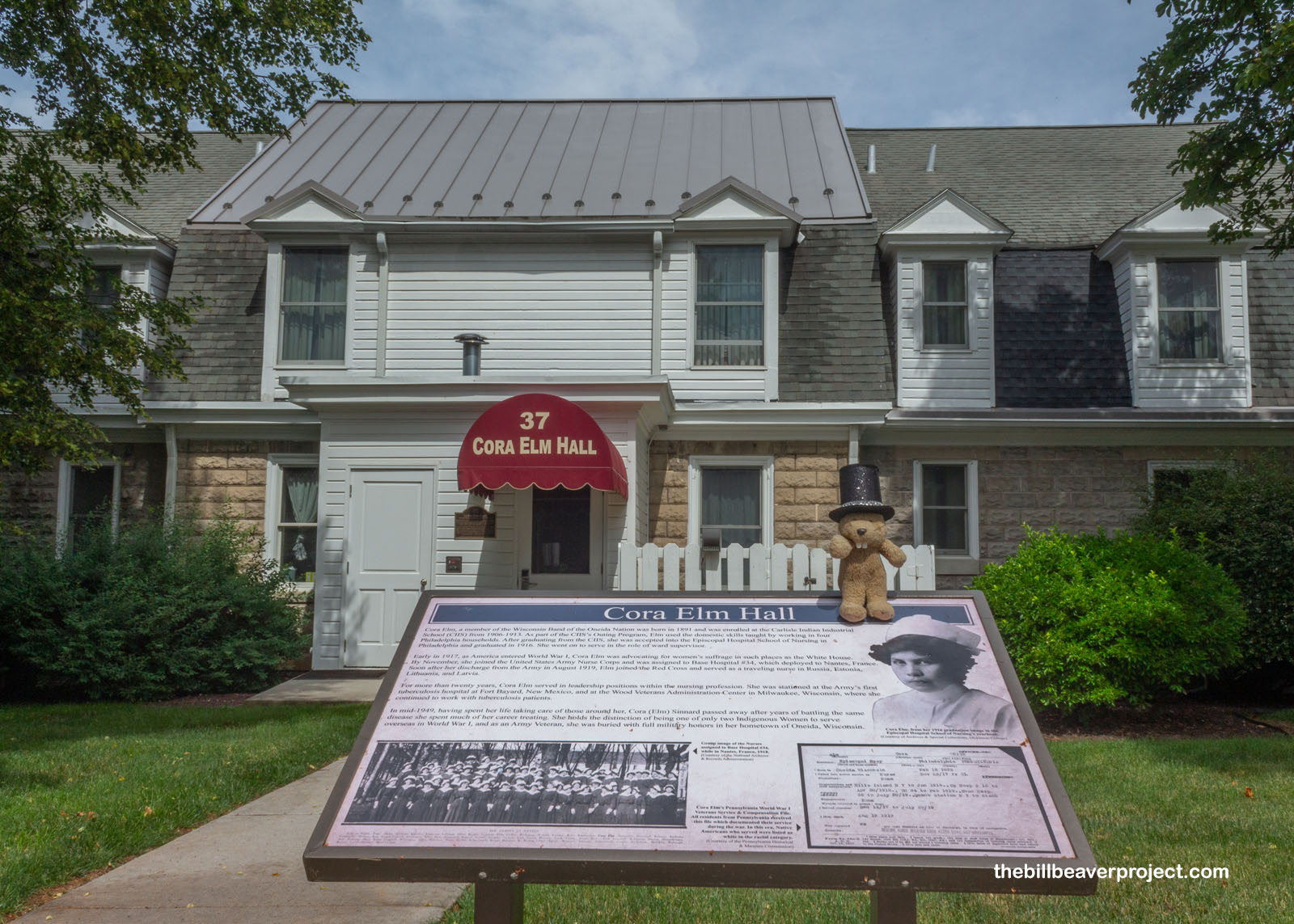
One of Mr. Wheelock’s fellow Oneida, Cora Elm, attended Carlisle from 1906 until 1913 and went on to serve as a nurse across Europe in World War I, one of only two Native women to do so! She was both an advocate for women’s suffrage and a skilled nurse who focused her skills on treating tuberculosis. Sadly, as was the fate of Father Damien at Kalaupapa, the disease she spend twenty years treating was the one that finally ended her career. Buried with full military honors, Ms. Elm (married name Sinnard), had a hall named after her on campus, now part of the IHG Army Hotel.
 |
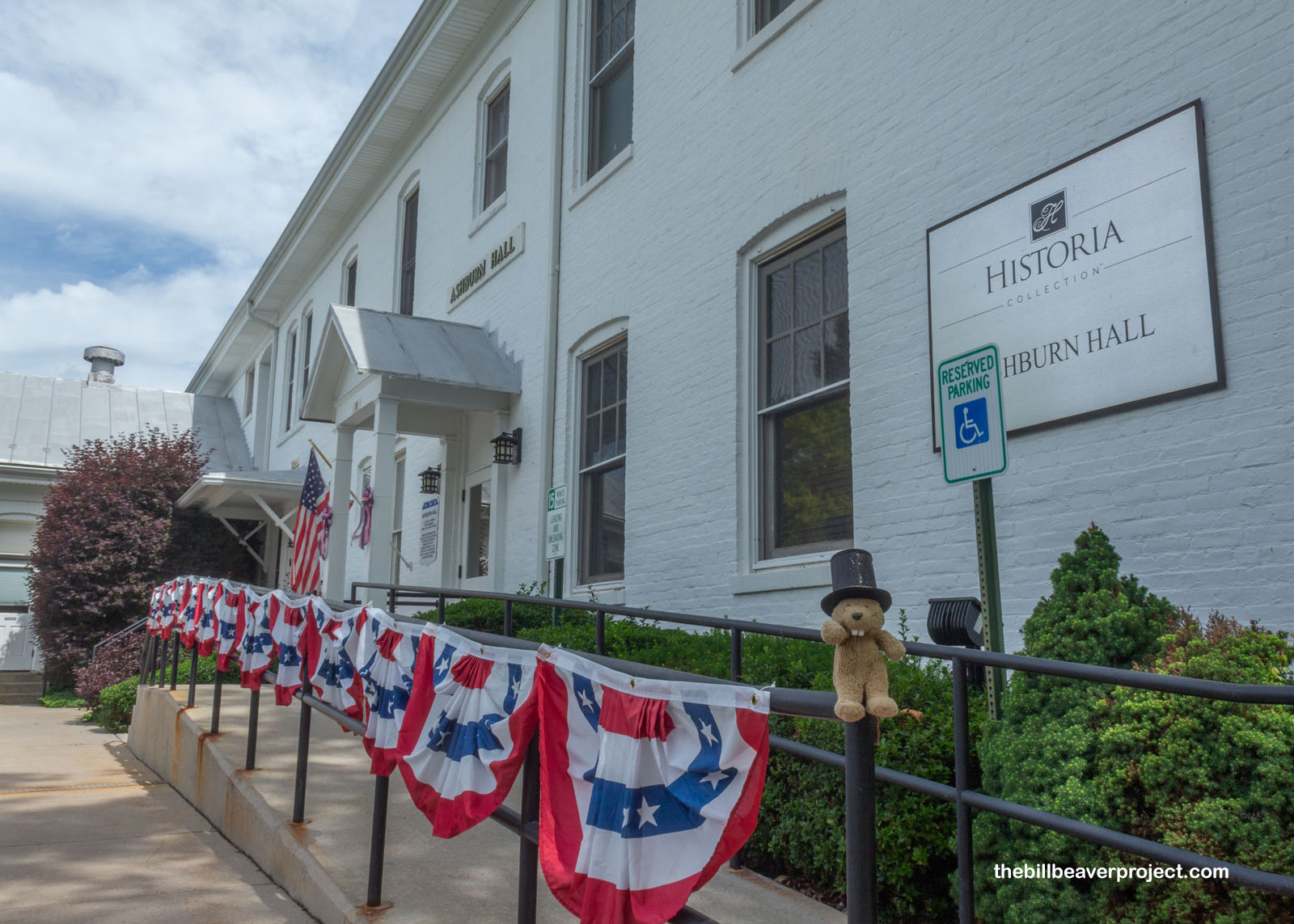
Likewise, neighboring Ashburn Hall had been converted into the guest check-in for the hotel. Decked out in red, white, and blue bunting, it was gearing up for the USA’s 250th anniversary coming up in a few weeks, but back in 1920, it was the Medical Field Service School, named for Colonel Percy Ashburn, who founded it. Here, students developed medical equipment and practices for battlefield use, but today, it’s the main place to stay for visitors to the Carlisle Barracks. I, however, would not be staying here overnight.
 |
No indeed! After a few hours revisiting Harrisburg, I was southbound once again. Having ridden the famed Dulles “moon buggies” one way this morning, I was already back on them in the opposite direction because I was launching a few more states north for the final Middle Finger Monument. Can you guess where that is?
After a while, Carlisle!

First Finger |
Total Ground Covered: 246.0 mi (395.9 km) |
More 2026 Adventures |